
COUNTRY Braces for El Niño-Driven Floods as Authorities Issue Weather Warnings
By Anthony Bulle | October 23, 2026
KAMPALA, Uganda — Uganda’s delayed rainy season is gathering momentum, raising concerns over flash floods, landslides and the growing vulnerability of communities as authorities intensify preparations for potentially destructive weather conditions.
After a largely dry September, widespread rainfall reportedly began around October 9, bringing intense thunderstorms and renewed warnings about the dangers of prolonged downpours. The challenge now facing the country is whether emergency preparedness, infrastructure and public vigilance can keep pace with the unfolding weather risks.
Meteorologists from the Department of Meteorological Services had anticipated a delayed onset of the rains, according to reports citing principal meteorologist George Omony. However, the arrival of heavier rainfall has renewed concerns about the impact on agriculture, transport networks and communities living in disaster-prone areas.
Climate outlooks cited in regional reporting point to the combined influence of El Niño-related weather patterns and a positive Indian Ocean Dipole, with rainfall expected to remain elevated in parts of East Africa. Some projections indicate that rainfall could exceed long-term averages through December, potentially extending wet conditions into January 2027.
For Uganda, the implications extend beyond the inconvenience of heavy rain. The country faces the difficult task of managing flood risks in some areas while communities elsewhere continue to grapple with water shortages.
FLOODS ON ONE SIDE, WATER SHORTAGES ON THE OTHER
The effects of the changing weather patterns are unlikely to be evenly distributed across the country.
In mountainous areas, including Mount Elgon and the Rwenzori region, prolonged rainfall can saturate soils and destabilise slopes, increasing the risk of landslides and mudslides. Communities living on vulnerable hillsides face particular danger, especially where settlements and farmland occupy steep terrain.
The consequences can be devastating: loss of life, destruction of homes, damage to roads and the displacement of families.
Authorities and local leaders have repeatedly urged residents in high-risk areas to heed warnings and relocate to safer ground where necessary. Yet evacuation efforts can be complicated by the loss of livelihoods, limited access to alternative land and the reluctance of families to abandon their homes.
Meanwhile, northeastern Uganda faces a different climate challenge.
In Karamoja, reported water shortages around Kobebe Dam in Moroto have highlighted the vulnerability of pastoral communities to prolonged dry conditions. Reports have linked the shortages to household displacement and increased pressure on communities seeking water and grazing land.
The contrast is striking: while some parts of the country prepare for flooding, others remain exposed to severe water stress.
It also raises a fundamental question about disaster preparedness: How effectively can Uganda protect communities when climate-related risks vary so sharply from one region to another?
GOVERNMENT ACTIVATES EMERGENCY RESPONSE MEASURES
The Office of the Prime Minister has outlined preparedness measures under its El Niño contingency and response planning, targeting threats associated with heavy rainfall, flooding, waterlogging and possible outbreaks of waterborne diseases.
The Ministry of Works and Transport has also identified vulnerable infrastructure locations requiring attention, with reported interventions focusing on drainage, runoff management and road maintenance.
These measures are critical in a country where damaged roads can disrupt trade, delay emergency services and isolate communities during severe weather.
However, identifying disaster hotspots is only the beginning. The effectiveness of the response will depend on whether resources reach vulnerable communities in time, drainage systems are adequately maintained and local authorities can act before conditions deteriorate.
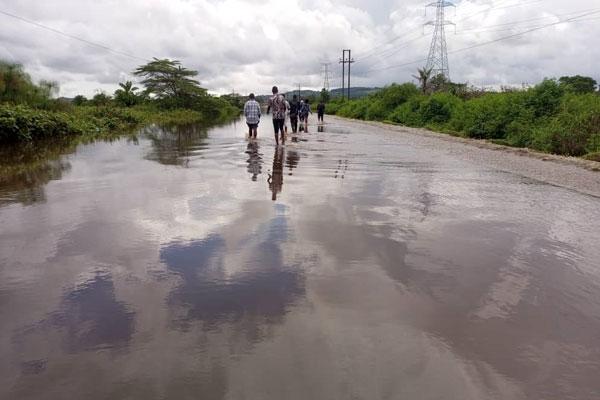
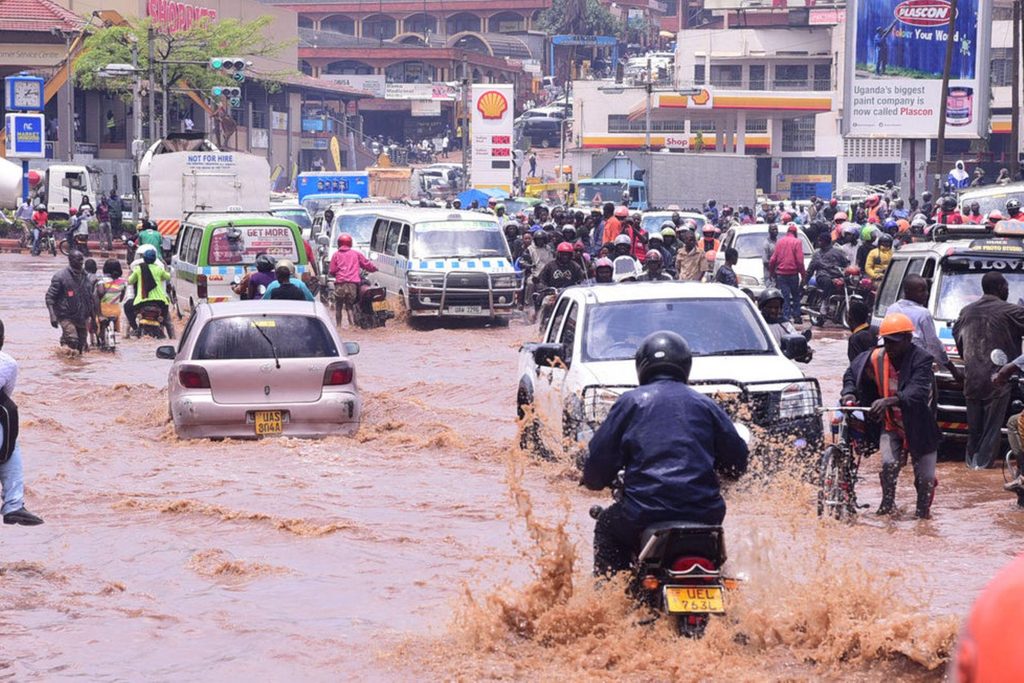
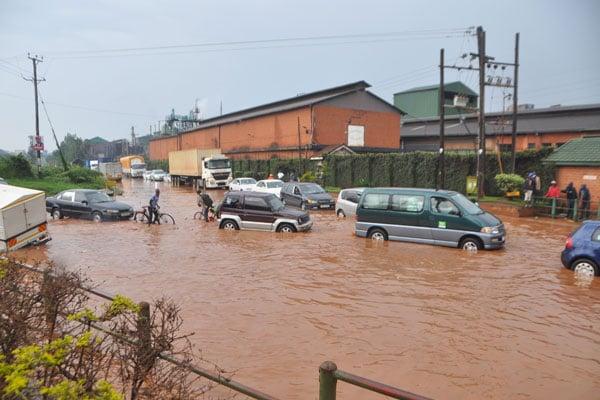
Urban areas face their own challenges. Poor drainage, construction in flood-prone locations, blocked channels and inadequate waste management can turn heavy rainfall into a public emergency.
For residents, the consequences may include flooded homes, damaged property, disrupted businesses and increased exposure to contaminated water.
The immediate priority is therefore not simply to respond to flooding, but to reduce the conditions that make it destructive.
PUBLIC SAFETY: WHAT UGANDANS NEED TO DO
As rainfall continues, authorities are urging the public to take precautions and avoid unnecessary exposure to dangerous weather conditions.
Residents should:
- Avoid flooded roads and swollen rivers. Do not attempt to walk or drive through fast-moving floodwater.
- Take landslide warnings seriously. Families in high-risk locations should follow official evacuation instructions and move to safer ground when advised.
- Keep drainage channels clear. Remove rubbish and other obstructions around homes without entering dangerous or flooded channels.
- Seek safe shelter during thunderstorms. Avoid open fields, isolated trees and exposed locations during lightning activity.
- Protect drinking water. Use safe water sources and follow public health guidance where flooding threatens sanitation systems.
- Follow official weather updates. Monitor advisories from the Department of Meteorological Services and relevant disaster management authorities.
Communities should also check on vulnerable neighbours, including older people, children and persons with disabilities, who may need assistance during evacuations.
PREPAREDNESS MUST GO BEYOND WARNINGS
Uganda’s evolving weather conditions present a test of both institutional preparedness and public awareness.
Forecasts and early warnings are valuable only when they reach the people who need them, are clearly understood and lead to timely action. Local governments, disaster management teams, health authorities and infrastructure agencies must work together to translate warnings into practical interventions.
There is also a longer-term question about resilience. Repeated flooding, vulnerable settlements, inadequate drainage and water shortages expose weaknesses that cannot be resolved through emergency announcements alone.
Investment in resilient infrastructure, effective land-use planning, functioning drainage systems, community education and reliable early-warning mechanisms will be essential to reducing future losses.
For farmers, timely and accurate forecasts can help guide planting decisions. For urban residents, effective drainage and waste management can reduce flood exposure. For communities in mountainous areas, accessible warnings and practical evacuation plans can mean the difference between safety and tragedy.
As Uganda moves deeper into the rainy season, the central concern is no longer just when the rains will arrive, but how well the country is prepared for their consequences.
The ultimate test will be whether early warnings translate into early action, and whether communities receive the protection they need before the next downpour becomes a disaster.