
ECONEWS | By Musoke Steven | September 26, 2026
KAMPALA, UGANDA. How will Uganda turn environmental, social and governance (ESG) commitments into measurable action?
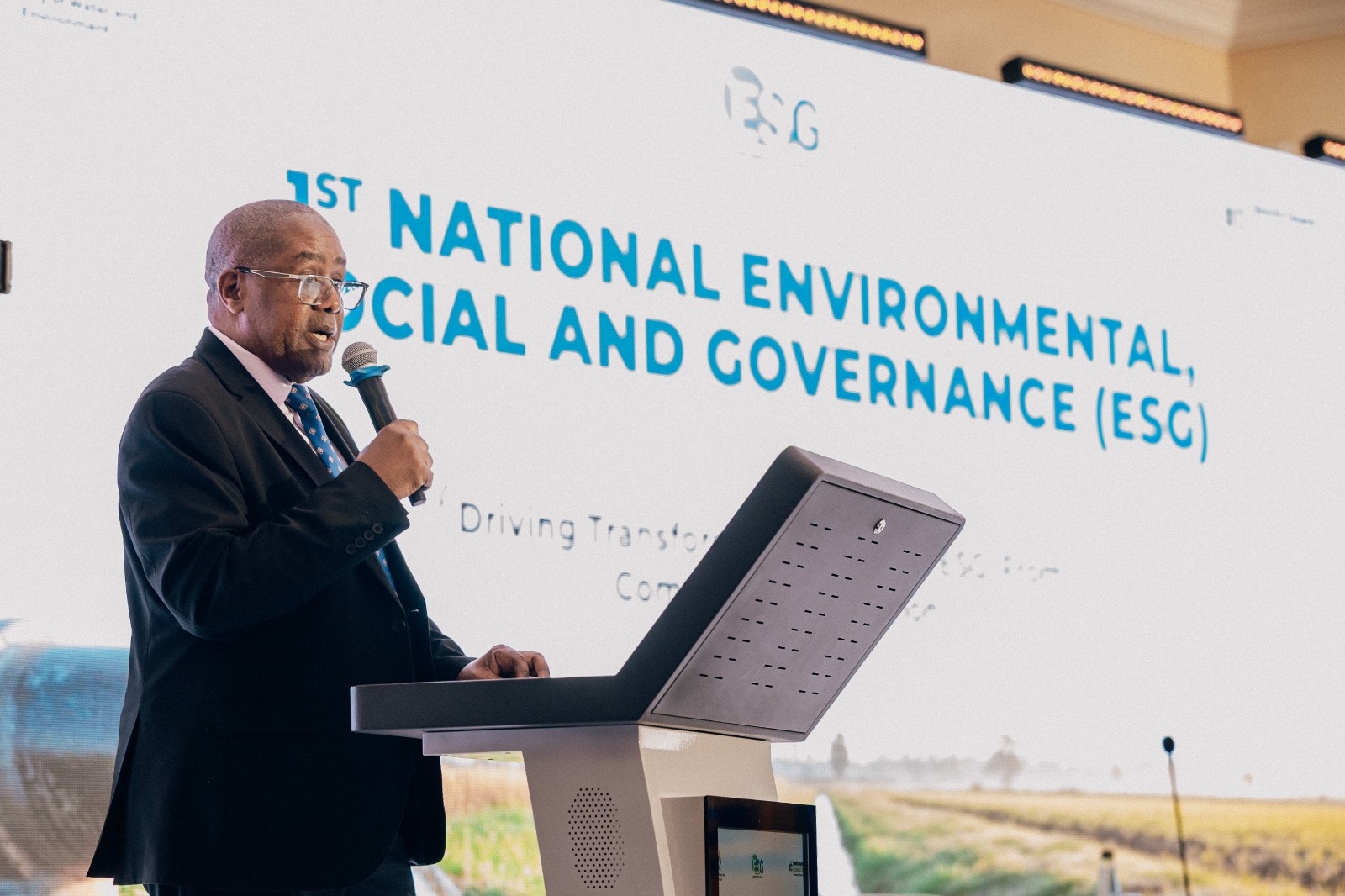
This was a key question as Uganda hosted its first National ESG Conference and Expo on September 25, 2026, at Mestil Hotel in Kampala, bringing together government officials, business leaders, development partners and civil society to discuss sustainable investment and responsible governance.
Held under the theme “Driving Transformation through ESG: From Commitment to Action,” the conference focused on integrating sustainability into Uganda’s economic development agenda.
The First Deputy Prime Minister and Minister for East African Community Affairs, Rt. Hon. Rebecca Alitwala Kadaga, officially opened the event, highlighting national efforts to mobilise climate finance and promote sustainable investment.
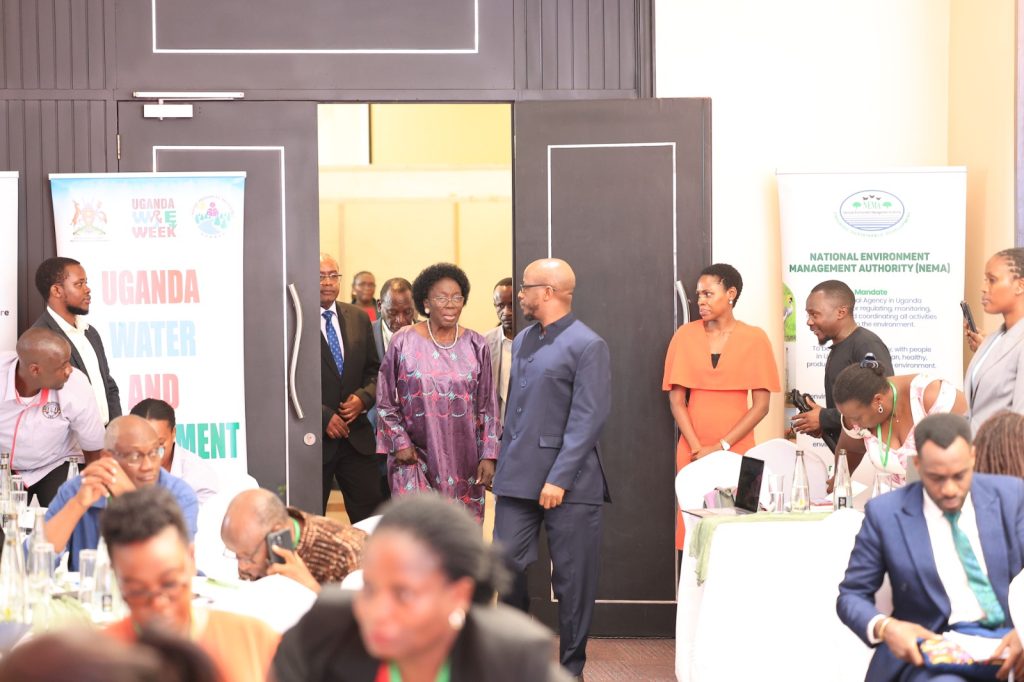
She called for a National ESG Framework to guide organisations in integrating environmental protection, social responsibility and good governance into their operations.
CAN ESG COMMITMENTS DELIVER MEASURABLE RESULTS?
Uganda has introduced initiatives such as the National Climate Finance Strategy and the National Green Taxonomy to support green investment. The government has also secured support for more than 13 climate projects through the Green Climate Fund.
However, questions remain about how these initiatives will translate into measurable improvements in environmental protection, social inclusion and institutional accountability.
The conference provided a platform to examine ESG reporting, institutional readiness, climate finance and the role of the private sector in advancing sustainability.
WHAT DOES ESG MEAN FOR COMMUNITIES?
Beyond investment and corporate reporting, the discussions also come amid growing concerns about climate change, environmental degradation, waste management and the protection of natural resources.
At a September 22 briefing at the Uganda Media Centre, Dr. Callist Tindimugaya, Commissioner for Water Resources, Planning and Regulation, highlighted the risks associated with anticipated El Niño conditions, including potential flooding in areas affected by poor drainage and wetland degradation.
He urged Ugandans to take greater responsibility for environmental protection, including proper waste disposal and participation in the National Cleaning Day.
WHO WILL DRIVE THE IMPLEMENTATION?
The conference brought together stakeholders from government, academia, financial institutions, civil society and the private sector to explore how ESG principles can be incorporated into institutional planning and investment decisions.
With participation from organisations including the Bank of Uganda, the National Environment Management Authority, Centenary Bank, the National Water and Sewerage Corporation and international development partners, the event highlighted the need for coordinated action.
THE WAY FORWARD
As the inaugural conference concludes, attention turns to the proposed National ESG Framework and the practical steps needed to implement the commitments discussed.
Will Uganda establish clear accountability mechanisms, measurable sustainability targets and stronger reporting systems to ensure that ESG moves beyond conference discussions and becomes part of everyday institutional and community practice?
For Uganda’s sustainable development agenda, the answer will depend on how effectively commitments are translated into action.