
HOW MANY MORE LIVES MUST KARAMOJA LOSE TO HUNGER?
By Adolf Nganda
July 19, 2026
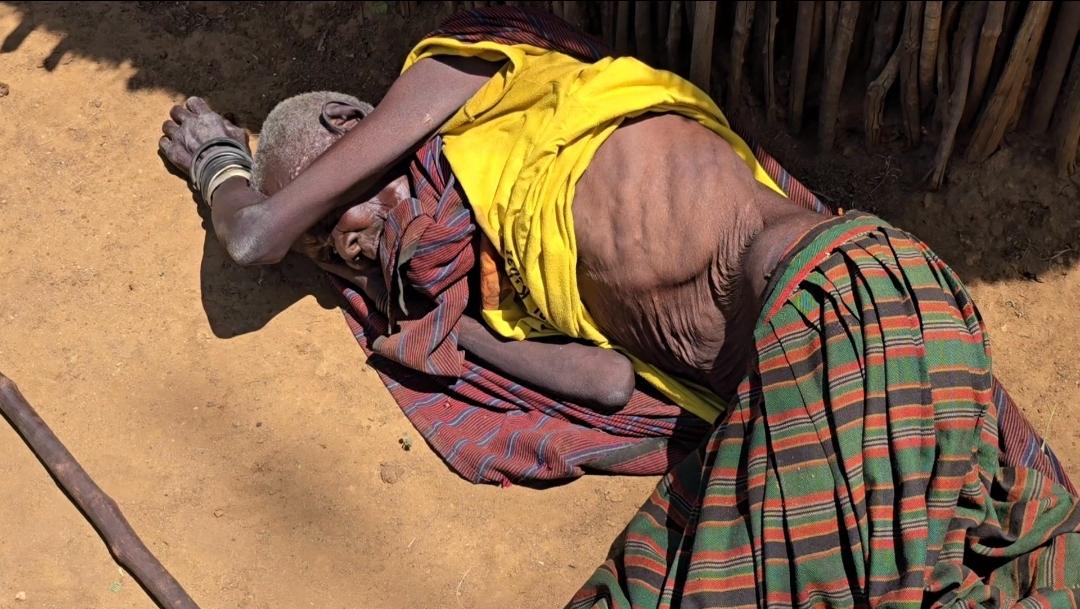
MOROTO, Uganda — The death toll from the ongoing hunger crisis in Uganda’s Karamoja sub-region has risen to 19, raising urgent questions about whether enough is being done to protect vulnerable communities from worsening food insecurity.
The latest reported deaths come amid prolonged drought, poor harvests, and persistent poverty that continue to undermine livelihoods across the region. Families in several districts are struggling to access adequate food, with local leaders warning that many households remain at risk despite ongoing relief efforts.
The government has announced emergency food assistance, with affected households expected to receive 20 kilograms of maize flour and 10 kilograms of beans. While the intervention offers immediate relief, district leaders and humanitarian actors caution that the supplies are unlikely to sustain large households for long, underscoring the need for continued support.
Karamoja’s recurring food crises also reflect broader environmental and climate challenges. Increasingly erratic rainfall, prolonged dry spells, land degradation, and declining agricultural productivity have made the region one of Uganda’s most climate-vulnerable areas. Without long-term adaptation measures, communities remain exposed to repeated humanitarian emergencies.
Environmental and development experts continue to advocate for investments in climate-smart agriculture, irrigation, water harvesting, landscape restoration, and sustainable livelihood programmes to strengthen resilience and reduce dependence on emergency relief.
The rising number of hunger-related deaths is a reminder that food security extends beyond humanitarian assistance. It requires coordinated action involving government, development partners, civil society, the private sector, and local communities to address both the immediate crisis and its underlying causes.
As Karamoja confronts another season of hardship, the question remains: How many more lives must be lost before lasting solutions receive the urgency they deserve?
The situation calls for swift humanitarian action today and sustained investment in climate resilience, food systems, and rural development to ensure that hunger no longer claims lives in one of Uganda’s most vulnerable regions.