

By EcoNews | Today
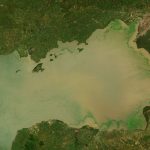
RIFT VALLEY, KENYA. Rising lake waters in Kenya’s Rift Valley have flooded settlements, farms, and tourism facilities, displacing thousands of residents and highlighting the growing climate vulnerability of one of East Africa’s most critical ecological and economic zones.
Around Lake Naivasha, residents say the water advanced with alarming speed, submerging homes and farmland overnight. Entire neighborhoods have been forced to relocate as shorelines expanded far beyond their historical limits, engulfing access roads, greenhouses, and lakeside hotels that support local tourism and employment.
Authorities estimate that about 5,000 people have been displaced this year alone as lake levels continue to rise. Flower farms, which are central to Kenya’s export economy, are among the hardest hit. Large sections of productive land are now underwater, threatening jobs, supply chains, and foreign exchange earnings.
Scientists attribute the expanding lakes to prolonged heavy rainfall, shifting weather patterns, and long-term climate change. Data indicate that several Rift Valley lakes, including Naivasha, Baringo, Nakuru, and Turkana, have been rising steadily for more than a decade, with accelerated increases observed since 2011.
Environmental experts warn that the flooding reflects a broader regional trend across East Africa, where lake surface areas have expanded significantly, reshaping ecosystems and placing increasing pressure on human settlements. Researchers caution that the phenomenon is not a one-off disaster but a sustained environmental shift that demands long-term planning and adaptation.
Local authorities have initiated emergency responses, including temporary relocation support and limited housing assistance. However, long-term solutions remain constrained. Environmental groups and planners are calling for stricter land-use controls around lake basins, greater investment in climate-resilient infrastructure, and improved early-warning systems to reduce future losses.
As waters continue to rise, communities in the Rift Valley face an uncertain future, balancing livelihoods, environmental protection, and the realities of a changing climate. For Kenya, the floods serve as a clear signal that climate impacts are no longer distant threats but immediate economic and ecological challenges requiring coordinated and sustained action.