

HY UGANDA’S SEA DEMAND IS A GREEN FUTURE PRIORITY
By Editorial Desk | November 17 2025
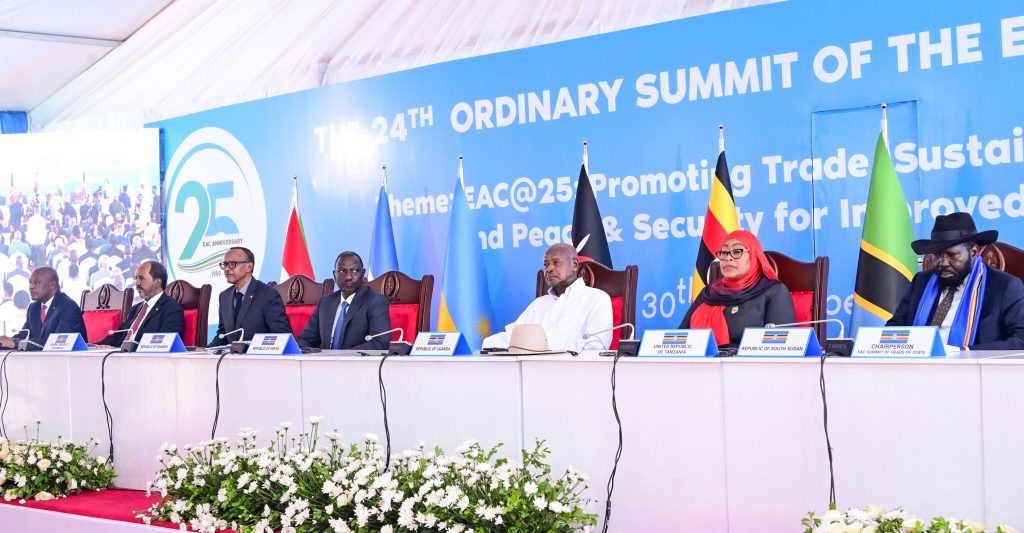
President Yoweri Museveni’s declaration that the Indian Ocean is “his ocean” sparked debate across East Africa. But beneath the blunt delivery lies a profound truth Uganda’s future environmental security economic resilience and climate stability may depend on meaningful access to the sea.
Kenya has publicly assured Kampala that it will not block Uganda’s maritime ambitions a major diplomatic shift as regional calls for sea access intensify. Yet the sustainability implications are what truly redefine the conversation.
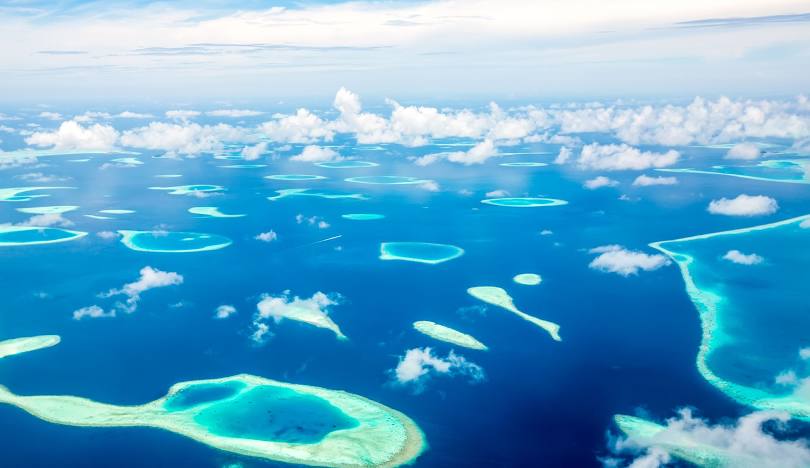
THE INDIAN OCEAN IS A CLIMATE POWERHOUSE
The Indian Ocean drives weather patterns supplies vital biodiversity and sustains the livelihoods of more than two billion people. Its coral reefs mangroves and marine ecosystems act as natural climate buffers absorbing carbon and stabilizing the atmosphere.
For Uganda a nation deeply affected by climate variability rainfall unpredictability and agricultural shocks the health of the Indian Ocean is not distant. It directly shapes its environmental destiny.
WHY UGANDA’S CLAIM IS NOT JUST POLITICS
Uganda is landlocked but not land-excluded. Despite depending on coastal neighbors for port access the country has had little influence on marine sustainability policies even though the Indian Ocean Dipole strongly affects Uganda’s rains seasons and food security.
By asserting “his ocean” Museveni is framing Uganda as a stakeholder not a spectator in regional ocean governance environmental planning and blue-economy integration.
THE 360-DEGREE VALUE OF SEA ACCESS FOR UGANDA
1. Climate resilience
Connection to ocean-based climate systems strengthens Uganda’s ability to prepare for floods droughts and shifting seasons.
2. Green economic expansion
Blue-economy opportunities such as sustainable fisheries aquaculture marine research seaweed farming renewable ocean energy and eco-tourism become accessible.
3. Lower carbon emissions
Improved sea access reduces long road freight distances cutting national fuel consumption and pollution.
4. Environmental diplomacy
Uganda gains a seat in regional conversations on marine protection pollution control and sustainable exploitation of ocean resources.
5. Science and innovation
Universities and research centres can collaborate on marine ecology ocean-climate modelling and coastal conservation.
“HIS OCEAN” IS REALLY ABOUT UGANDA’S TOMORROW
Museveni’s comments may sound provocative but the underlying strategy is clear. Uganda needs the Indian Ocean not for conquest but for connection to a global ecological engine that shapes its climate economy and sustainability outlook.
If Uganda positions itself well this is not about owning the ocean. It is about securing a cleaner greener more resilient future.


THE REGIONAL INTEGRATION ARGUMENT
IF EAST AFRICA BELIEVES IN UNITY, THEN UGANDA’S OCEAN ACCESS MUST BE A GUARANTEED RIGHT ,NOT A COURTESY
For decades, the East African Community has spoken boldly about integration, equality and shared prosperity. Yet when Uganda demands meaningful access to the Indian Ocean, the region hesitates, as if maritime privilege belongs only to coastlines and not to all member states.
If the EAC is truly one community, then sea access cannot be treated as generosity from Kenya or Tanzania. It must be a structural guarantee — a regional responsibility. A bloc that prides itself on free movement and common markets cannot justify leaving one of its largest economies permanently landlocked, vulnerable to freight politics and excluded from the blue-economy future shaping Africa.
Uganda is not asking for the ocean. Uganda is asking for the integration the EAC has promised for 25 years.